

How the global obsession with “growing new teeth” may convince millions of patients to delay treatment…
By inhibiting this protein with a monoclonal antibody, researchers hope to reactivate dormant tooth buds and stimulate the growth of natural teeth.
It is a stunning idea. Not artificial replacements. Not titanium. Not prosthetics.
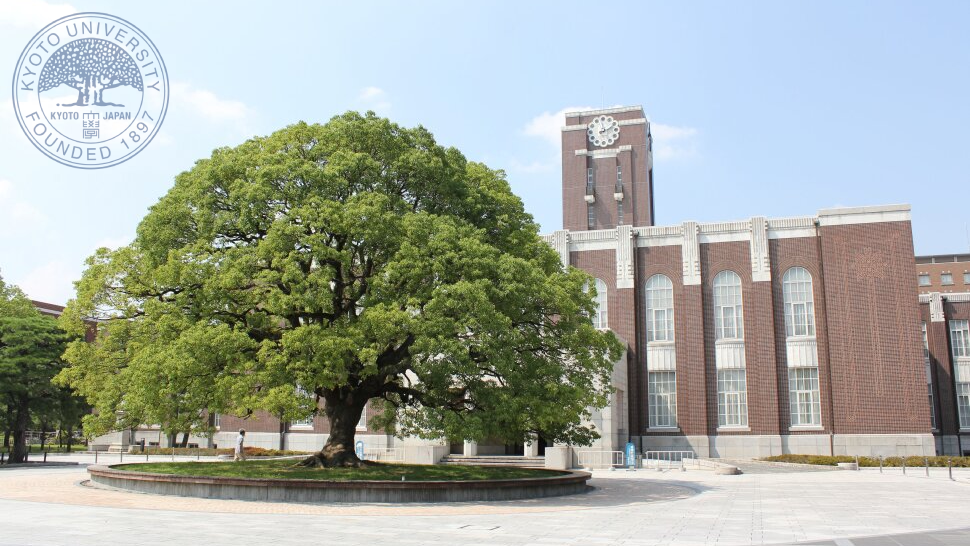
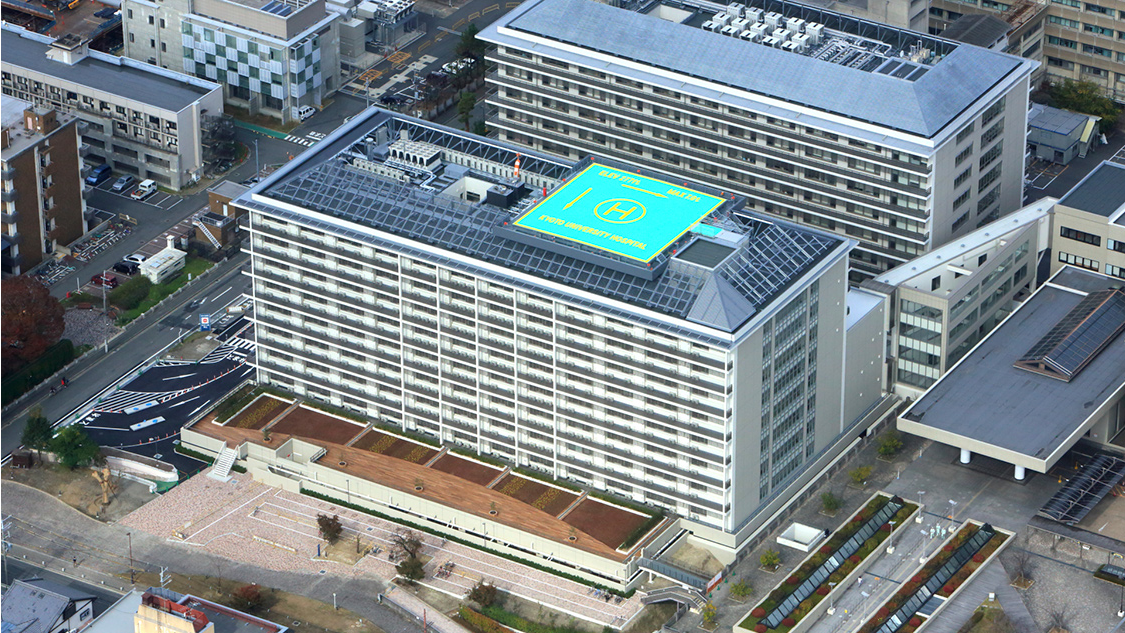
Real biological teeth. But here is the critical detail almost nobody on social media explains: TRG-035 is still experimental. The first human Phase I clinical trials began in 2024 at Kyoto University Hospital. And Phase I trials are not designed to prove broad clinical success.
They are designed primarily to answer one question: Is this safe enough to continue studying?
That distinction matters enormously. Because the internet already speaks about this therapy as if it were a fully validated treatment available around the corner. It is not. Not even close.
The Biggest Illusion: “Growing Teeth” Is Not the Same as Restoring Function
Modern media presents regenerative dentistry as if the human body were a biological 3D printer. Lose a tooth. Inject a drug. Grow another one. But dentistry is not architecture. It is biology under mechanical stress. A functional tooth is not just a crown emerging through the gum. A true tooth requires: root formation; periodontal ligament integration; controlled eruption; correct angulation; stable occlusion; surrounding bone adaptation; long-term biomechanical function.
And this is where reality becomes brutally complex. Especially in adults.
The Hidden Biological Problem Nobody Wants to Discuss
TRG-035 does not “create teeth from nothing.” It attempts to activate latent developmental potential that may still exist within the body. But many adults suffering from long-term tooth loss no longer possess the biological environment necessary for predictable regeneration.
After years of edentulism: alveolar bone resorbs; soft tissues collapse; adjacent teeth migrate; bite relationships change; periodontal architecture disappears; anatomical space becomes compromised.
In many cases, the original biological infrastructure has already been destroyed. And biology is unforgiving with lost time. This is why the current research focus is primarily directed toward congenital tooth agenesis, rare developmental conditions where the biological framework may still be favorable.
Not toward the average adult patient who lost teeth years ago due to periodontal disease, trauma, infection, or chronic neglect. That difference is enormous. And yet, most viral articles never mention it.
The Off-Target Risk: What Happens If Biology Activates the Wrong Tooth Buds?
There is another uncomfortable reality buried beneath the excitement. TRG-035 is currently administered systemically, intravenously, not locally. Which means the biological signaling is not isolated to one perfectly controlled dental site. In preclinical animal studies, researchers observed: supernumerary teeth; fused teeth; eruption anomalies; craniofacial developmental alterations; palate abnormalities.
Of course, animal data does not automatically predict human outcomes. But this is precisely why long-term human clinical trials exist. Because developmental biology is extraordinarily delicate.
When you interfere with signaling pathways involved in organ formation, unintended consequences become a legitimate concern, not science fiction. Especially when the same molecular pathways may influence tissues far beyond the oral cavity.
The Real Danger Is Psychological, Not Technological
This is where the story stops being about regenerative medicine. And starts becoming about human behavior. Because the greatest risk may not come from the drug itself. But from what people decide to do while waiting for it.
Every week, more patients arrive in clinics saying:
“I’ll wait until they can grow new teeth.”
“Implants will become obsolete.”
“I heard scientists already solved tooth regeneration.”
Meanwhile: bone continues to disappear; occlusion deteriorates; teeth migrate; infections progress; treatment complexity increases; future predictability decreases.
This is the silent biological tragedy created by exaggerated hope. Cases that are highly treatable today may become severely compromised tomorrow. Not because medicine failed. But because expectation replaced timing.
Dentistry Has Seen This Before
Medicine repeatedly goes through cycles of technological euphoria. Stem cells. Gene therapy. AI diagnostics. Longevity medicine. Regenerative biology. Every breakthrough begins with extraordinary promise. But true medical revolutions do not happen when headlines appear.
They happen when: long-term data exists; complications are understood; indications are clarified; failures are documented; predictability becomes reproducible.
That process usually takes far longer than public enthusiasm can tolerate. And dentistry is no exception.
Implants Are Not Perfect. But They Are Predictable. This is not an argument against regenerative dentistry. Quite the opposite. The research behind TRG-035 deserves enormous respect. It may eventually transform specific areas of dental medicine forever. But modern implantology remains one of the most documented and clinically validated therapeutic systems in contemporary dentistry.
Not perfect. Not complication-free. But mature. That matters. Because mature medicine is not built on excitement. It is built on predictability. And predictability is what protects patients from irreversible biological loss.
The Ethical Responsibility of Communication
The deeper issue here is ethical. Patients deserve hope. But they also deserve context.
Because there is a massive difference between: “promising research” and “clinically reliable treatment.”
When media removes that distinction, medicine slowly becomes entertainment. And once healthcare starts functioning like viral content, patients begin making life-changing decisions based on emotional momentum instead of biological reality.
That is dangerous.
Especially in dentistry, where timing often determines whether treatment remains simple… or becomes devastatingly complex.
